

Macro Calculator: How Much Protein, Carbs and Fat Do You Need a Day?
You have probably seen grams of protein, carbs and fat on a food label and wondered how many of each you should actually eat in a day. This guide answers that in plain words: what macros are, how to work out your own numbers, and what they look like on your plate.
In short
- Macros are protein, carbs and fat, the three nutrients that give you calories. Protein and carbs give 4 calories per gram, fat gives 9.
- Work from your daily calories. Set protein by body weight (about 1.2 to 2 g per kg if you are active or losing weight), keep fat at 20 to 35% of calories, and let carbs fill the rest.
- For adults, the healthy ranges are protein 10–35%, carbs 45–65% and fat 20–35% of calories. Anything inside them is fine.
- Treat the grams as a target to land near, not a score to hit exactly. Being within about 10% is good enough.
You do not need to be an athlete or follow a diet plan for this to be useful. Anyone who wants to eat a little more thoughtfully can use it, whether the goal is losing weight, building muscle or just feeling less tired by four in the afternoon.
Here is what we will cover:
- What macros are and what each one does for your body
- How many grams you need a day, from your calories, your goal and your body weight
- What it looks like in real food, with eggs, beans, rice, bread, fish and more
What Are Macros?
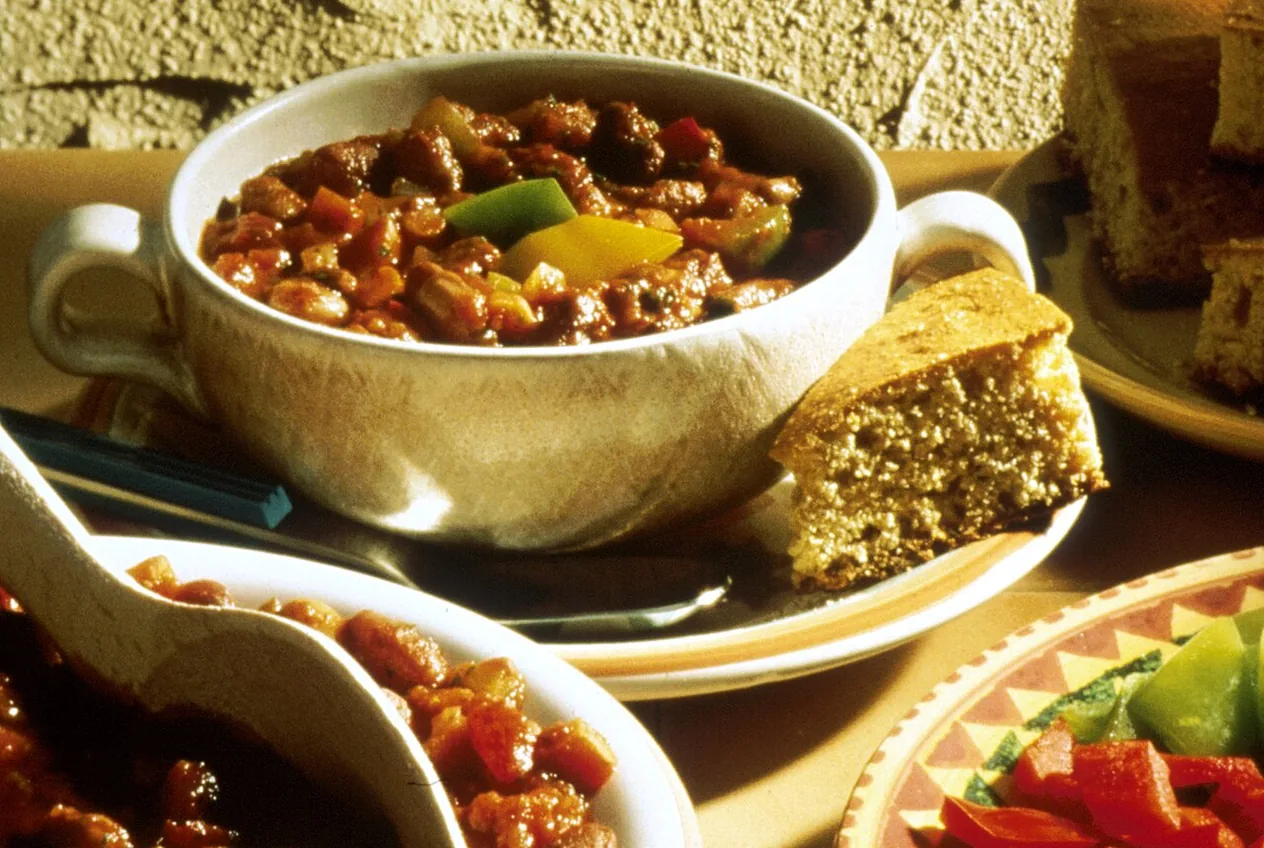
“Macros” is short for macronutrients: protein, carbohydrates and fat. They are the three nutrients your body needs in large amounts, and they are where almost all the calories in food come from. Vitamins and minerals matter too, but you only need tiny amounts of them, so they are called micronutrients.
Calories tell you how much you eat. Macros tell you what that food is made of. Two people can both eat 2,000 calories and feel completely different, because one got most of it from white bread and sweets and the other from eggs, beans, yogurt and vegetables.
Protein, Carbs and Fat in Plain Words
- Protein · 4 calories per gramYour body uses it to build and repair muscle and skin and to make enzymes. It also keeps you feeling full for longer than carbs or fat do
- Carbohydrates · 4 calories per gramThe quickest source of energy for your body, especially for the brain and during exercise. Fiber is a carb too, and it is the part that helps digestion
- Fat · 9 calories per gramYour body needs it to make hormones and to absorb vitamins A, D, E and K. It has more than twice the calories per gram of protein or carbs, which is why butter and oil add up fast
Alcohol is not a macro, but it does carry about 7 calories per gram, and those calories count in your day.
Where Each Macro Comes From
| Macro | Calories per gram | Common sources |
|---|---|---|
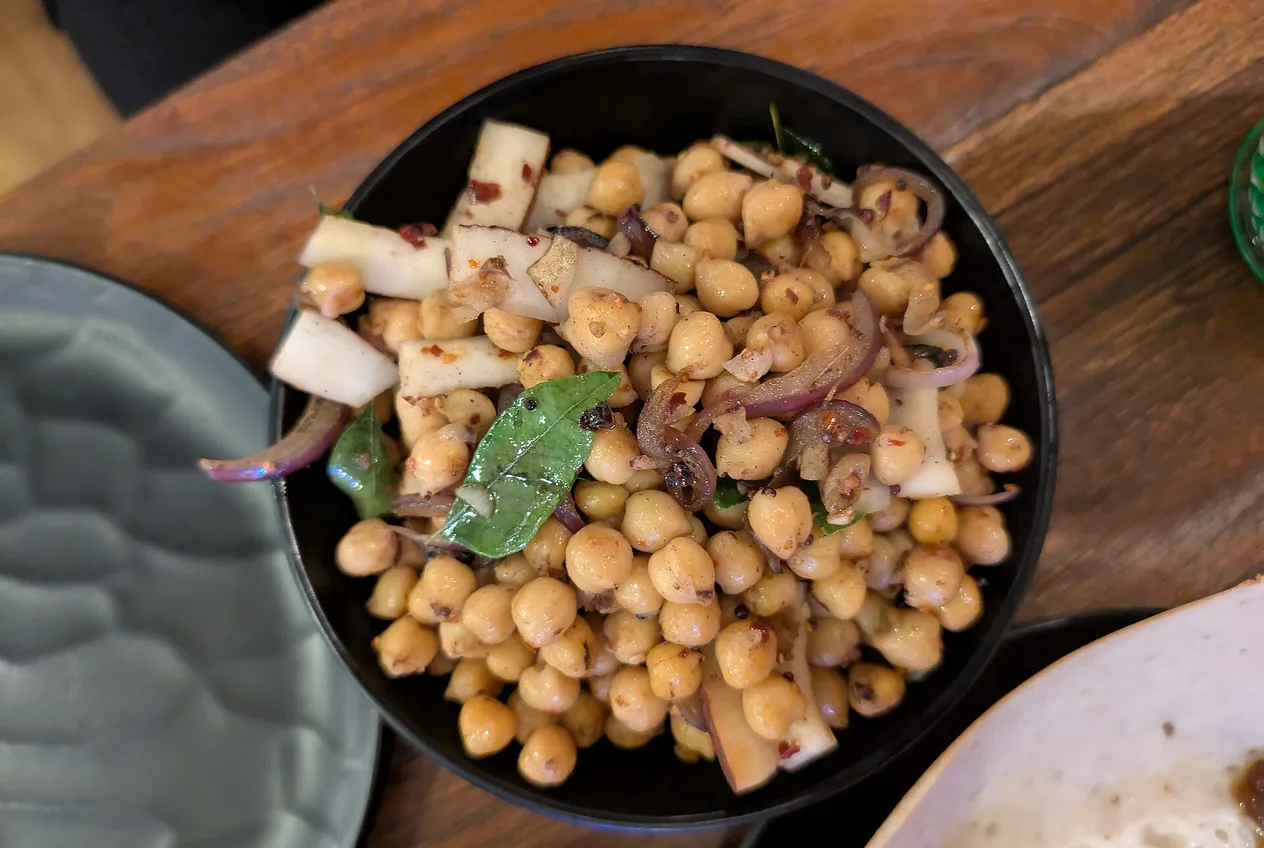
| Protein | 4 | Eggs, chicken, turkey, fish, beef, beans, lentils, chickpeas, tofu, tempeh, yogurt, cottage cheese, milk |
| Carbohydrates | 4 | Bread, rice, pasta, oats, potatoes, corn, fruit, whole grains, sugar |
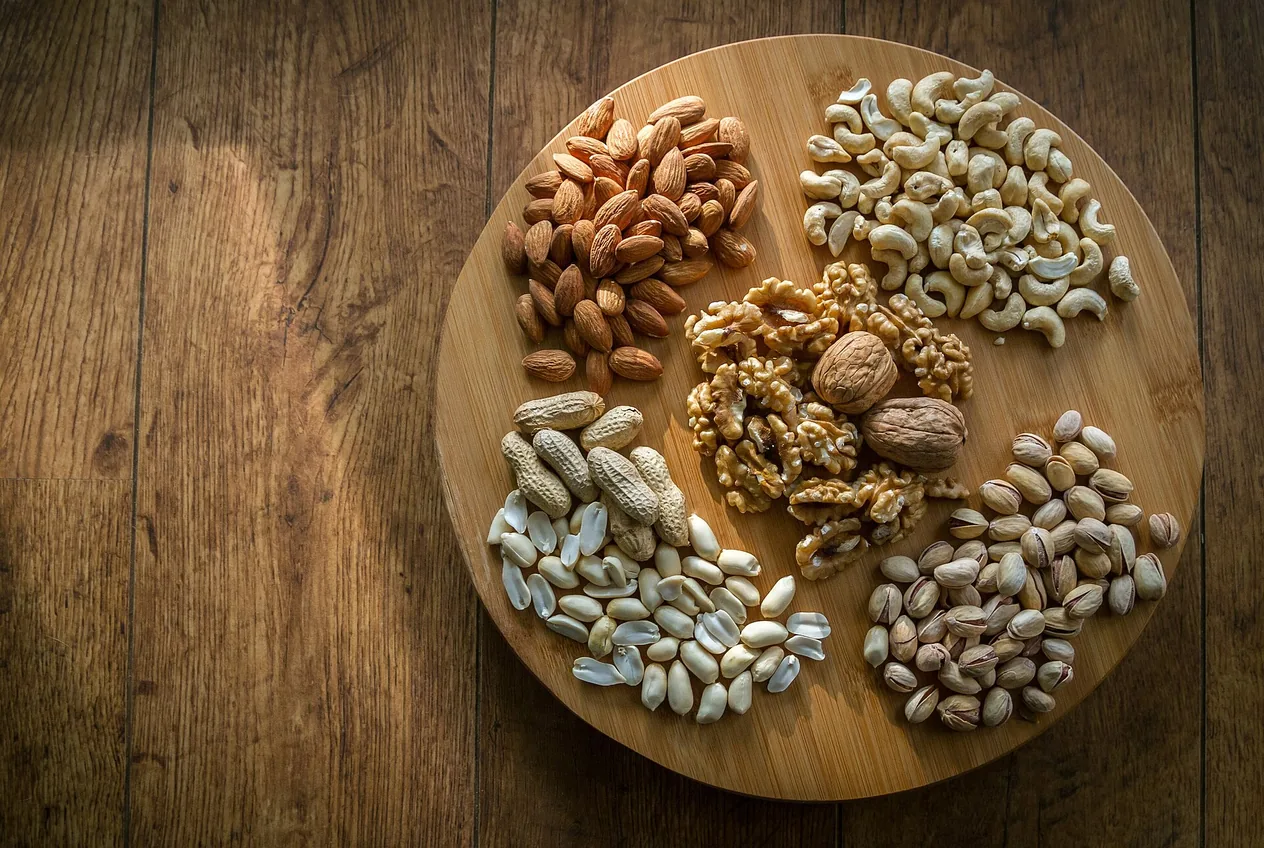
| Fat | 9 | Olive oil and other cooking oils, butter, nuts, seeds, avocado, oily fish, cheese, full-fat dairy |
Most foods are a mix. Lentils have protein and carbs. Cheese has protein and fat. Peanuts have all three. That is why people count the grams instead of guessing from the food’s name.
How Many Macros Do You Need a Day?
Start With Your Calories
Macros are shares of your daily calories, so the calories come first. Your body burns a certain amount just to stay alive (your BMR), and a bit more for walking, working and exercising. Together that is your TDEE, the number of calories that keeps your weight steady. If you do not know yours yet, the TDEE Calculator or the Calorie Calculator will give you a starting point, and our guide on BMI, BMR and TDEE explains the difference.
Then adjust for your goal:
- To lose weight — eat about 500 calories below your TDEE. As a rule of thumb that is roughly 0.5 kg (about 1 lb) a week.
- To maintain — eat at your TDEE.
- To gain muscle — eat a few hundred calories above it, around 300, so the gain is slow and mostly muscle.
Very low calorie targets are not a shortcut. As a general rule, do not go below about 1,200 calories a day for women or 1,500 for men unless a doctor or dietitian is guiding you.
The Healthy Ranges for Adults
Health authorities give a range for each macro, as a share of daily calories. Anything inside the range is considered fine, which is good news, because it means there is no single “perfect” split.
| Macro | Share of daily calories | In grams at 2,000 calories |
|---|---|---|
| Protein | 10–35% | 50–175 g |
| Carbohydrates | 45–65% | 225–325 g |
| Fat | 20–35% | 44–78 g |
These are the Acceptable Macronutrient Distribution Ranges from the US National Academies. They are a wide frame to stay inside, not a target to hit exactly.
How Much Protein Do You Need?
Protein is the one macro it is worth setting by body weight instead of by percentage, because your muscles do not care how many calories you eat. The official minimum for an adult is 0.8 grams per kilogram of body weight, and that is the amount needed to avoid running short, not the amount that is best for everyone. If you are active, losing weight or lifting weights, more usually helps.
| Your situation | Protein per kg of body weight | For a 70 kg (154 lb) person |
|---|---|---|
| Adult, little exercise | 0.8 g | 56 g |
| Regular exercise, or losing weight | 1.2–1.6 g | 84–112 g |
| Strength training or building muscle | 1.6–2.0 g | 112–140 g |
| Older adults (65+) | 1.0–1.2 g | 70–84 g |
These are typical ranges used by nutrition and sports bodies, and they sit comfortably inside what healthy people eat. If you have kidney disease, or you are pregnant or breastfeeding, ask your doctor before raising your protein.

How Much Fat and Carbs?
Fat is usually set at 20 to 35% of calories. Do not go much lower than 20%, since your body needs fat for hormones and for absorbing vitamins. The type matters more than the total: keep saturated fat (butter, cheese, coconut oil, fatty red meat) under about 10% of your calories, and lean on nuts, seeds, olive oil and oily fish for the rest. At 2,000 calories, 10% is about 22 g of saturated fat.
Carbs are simply what is left after protein and fat. Most of them should come from whole foods that bring fiber: beans and lentils, whole grains, vegetables and fruit. Aim for roughly 25 to 30 g of fiber a day, or more. The World Health Organization suggests keeping free sugars, meaning table sugar, sweets, honey, syrups and fruit juice, under 10% of your calories. At 2,000 calories that is about 50 g, or 12 teaspoons, and less is better.
How to Calculate Your Macros Step by Step
You can do this by hand in two minutes, and it helps to see how it works once before letting a calculator do it.
- Find your daily calories. Take your TDEE and add or subtract for your goal.
- Set protein in grams. Multiply your weight in kilograms by the grams per kilogram from the table above, then multiply by 4 to get its calories.
- Set fat. Take 25% of your calories (a sensible middle), and divide by 9 to get grams.
- Fill the rest with carbs. Subtract the protein and fat calories from your total, and divide what is left by 4.
A Worked Example
Say you weigh 70 kg (about 154 lb), your TDEE is about 2,300 calories, and you want to lose weight. That puts you at roughly 1,800 calories a day.
| Step | Working | Result |
|---|---|---|
| Protein | 70 kg × 1.6 g = 112 g, and 112 × 4 | 112 g (448 calories) |
| Fat | 25% of 1,800 = 450 calories, and 450 ÷ 9 | 50 g (450 calories) |
| Carbs | 1,800 − 448 − 450 = 902 calories, and 902 ÷ 4 | About 225 g (900 calories) |
So the day looks like 112 g protein, 50 g fat and 225 g carbs, which is about 25% protein, 25% fat and 50% carbs. Check it adds up: 448 + 450 + 900 is 1,798, close enough to 1,800.
If you would rather skip the arithmetic, the Khohari Macro Calculator does exactly this from your age, height, weight, activity and goal. It also shows protein per kilogram, so you can see at a glance whether the number makes sense for you.
Which Split Should You Choose?
A split is just the three percentages together, written protein, carbs, fat. Here are the common ones, shown for 2,000 calories.
| Split (protein / carbs / fat) | At 2,000 calories | Who it suits |
|---|---|---|
| Balanced — 30 / 40 / 30 | 150 g protein, 200 g carbs, 67 g fat | A sensible default for most people and most goals |
| High protein — 40 / 35 / 25 | 200 g protein, 175 g carbs, 56 g fat | Heavy training, or keeping muscle while losing weight |
| Low carb — 35 / 25 / 40 | 175 g protein, 125 g carbs, 89 g fat | People who feel better with fewer carbs and can stick to it |
| Keto — 25 / 5 / 70 | 125 g protein, 25 g carbs, 156 g fat | Only with a specific reason and, ideally, medical guidance |
| Low fat — 30 / 50 / 20 | 150 g protein, 250 g carbs, 44 g fat | People who prefer rice, bread, pasta and plenty of fruit |
One thing to watch: percentages do not know your body weight. At 2,000 calories, a 40% protein split means 200 g, which is nearly 3 g per kilogram for a 70 kg (154 lb) person. That is more than most people need or enjoy eating. If the protein per kilogram in your result looks very high, pick a split with less protein.
What Macros Look Like in Real Food
Grams on paper are one thing, food on a plate is another. These are rough values for everyday portions. Brands, recipes and the amount of oil or butter you cook with all change them, so treat the numbers as a guide. They are rounded from standard food composition data such as the USDA FoodData Central.
| Food | Portion | Protein | Carbs | Fat |
|---|---|---|---|---|
| Egg, boiled | 1 large | 6 g | 0.5 g | 5 g |
| Chicken breast, cooked | 100 g (3.5 oz) | 31 g | 0 g | 3.5 g |
| Salmon, cooked | 100 g (3.5 oz) | 22–26 g | 0 g | 4–13 g (varies by type) |
| Lentils, cooked | 1 cup (about 200 g) | 18 g | 40 g | 1 g |
| Plain Greek yogurt | 1 small pot (150 g) | 13–15 g | 5–6 g | 0.5–8 g (depends on the type) |
| Rolled oats, dry | 40 g | 5 g | 27 g | 3 g |
| Whole-wheat bread | 1 slice (about 30 g) | 3–4 g | 13–15 g | 1 g |
| White rice, cooked | 1 cup (about 160 g) | 4 g | 45 g | 0.5 g |
| Almonds | small handful (28 g) | 6 g | 6 g | 14 g |
| Avocado | half (about 100 g) | 2 g | 9 g | 15 g |
| Olive oil | 1 tablespoon (14 g) | 0 g | 0 g | 14 g |
A few things stand out. A single tablespoon of olive oil is 14 g of fat, so cooking oil and butter quietly add a lot. A cup of rice or a slice of bread is mostly carbs, with only a little protein. Nuts and avocado are healthy, but they are dense in calories. And reaching 100 g or more of protein on a vegetarian or vegan diet is possible, but it takes planning: beans or lentils at two meals, tofu, tempeh or edamame, yogurt and eggs if you eat them, and a handful of nuts in between.
Two easy habits help. Put a protein food in every meal, not only at dinner. And measure your cooking oil, butter and nuts for a week, because that is where most people are surprised. If you want to see your daily protein by weight and goal, the Protein Intake Calculator shows food examples too.
Common Mistakes With Macros
- Chasing exact numbers. Being within about 10% of your targets is fine. No one eats the same grams every day.
- Cutting carbs or fat too far. Very low carb or very low fat can leave you tired, hungry and fed up. A split you can keep for months beats a strict one you quit in two weeks.
- Forgetting the oil and butter. They are easy to skip when you log a meal, and they are calorie-dense.
- Copying someone else’s numbers. A friend’s 150 g of protein may be right for their body and wrong for yours.
- Ignoring how you feel. If you are always hungry, sleeping badly or very tired, the plan needs changing, not more willpower.
Some people should not set macros on their own. If you are pregnant or breastfeeding, under 18, have diabetes, kidney disease or another medical condition, take regular medicines, or have ever had an eating disorder, please plan your food with a doctor or a registered dietitian. A calculator gives a general estimate, not personal medical advice.
Conclusion
Macros sound technical, but the idea is simple. Your calories come from protein, carbs and fat, and the mix changes how full, strong and energetic you feel. Start with your calories, set protein by your body weight, keep fat in the middle of its range, and let carbs fill the space. Then check the result against real food, and adjust.
You do not have to track every gram for the rest of your life. Many people count carefully for a couple of weeks to learn what 100 g of protein looks like on their own plate, and then eat by eye. Use the numbers as a map, not a rule, and talk to a doctor or dietitian if your situation is anything other than simple.
Frequently asked questions
Do I need to count macros to lose weight?
Is 0.8 g of protein per kg enough?
Can you eat too much protein?
Are macros different for vegetarians?
How accurate is a macro calculator?
Is a keto split safe?
Sources and further reading
- US National Academies: Dietary Reference Intakes for macronutrients
- World Health Organization: Healthy diet
- NHS: Eat well
- International Society of Sports Nutrition: position stand on protein and exercise
- Dietary Guidelines for Americans
Important
This guide and the tools linked in it give general information, not a diagnosis or medical advice. Every body is different, and calorie and macro targets are estimates. If you have a medical condition, are pregnant or breastfeeding, or are planning a big change to how you eat, talk to a doctor or a registered dietitian first.
Work out your macros
Enter your age, height, weight, activity and goal, and get your daily calories with protein, carbs and fat in grams. It runs in your browser, nothing is uploaded.
Open Macro CalculatorMore guides
- BMI, BMR and TDEE: what each number means and which one to use
- What Is a Period, and How Do You Calculate Your Cycle?
- How to reduce a photo to 20 KB, 50 KB or 100 KB for an online form
- How to turn photos into one PDF (and keep it small)
- How to password-protect a PDF, or unlock one you own
- Split, extract, remove or rearrange PDF pages: which one do you need?